Precision biomechanics and quantified progress tracking for your recovery journey.
Our RRAMS system—Range of Motion, Rotation, Activation, Mobility, and Symmetry—uses advanced AI pose estimation to give you an objective, data-driven picture of how your body moves. Captured through your smartphone camera with no markers or sensors required, every assessment produces clinical-grade measurements so you and your practitioner can track progress with confidence.
RRAMS is our proprietary AI-powered movement assessment that uses computer vision to track 33 skeletal keypoints on your body in real time. Unlike traditional goniometer measurements that rely on a single static reading, RRAMS captures your movement continuously—giving a complete picture of range, quality, and compensatory patterns.
Each assessment is paired with the therapy session it accompanies, creating a longitudinal record that shows exactly how your body is responding to treatment. Practitioners use RRAMS data to fine-tune protocols, and you get a clear, visual report you can understand at a glance.
Record guided movements using a smartphone camera in our clinic or at home
AI pose estimation extracts 33 keypoints and computes biomechanical metrics
Receive a clinical PDF with ROM scores, symmetry data, and visual overlays
Compare assessments over time with automatic before-and-after overlays
Your practitioner adjusts your treatment protocol based on objective data
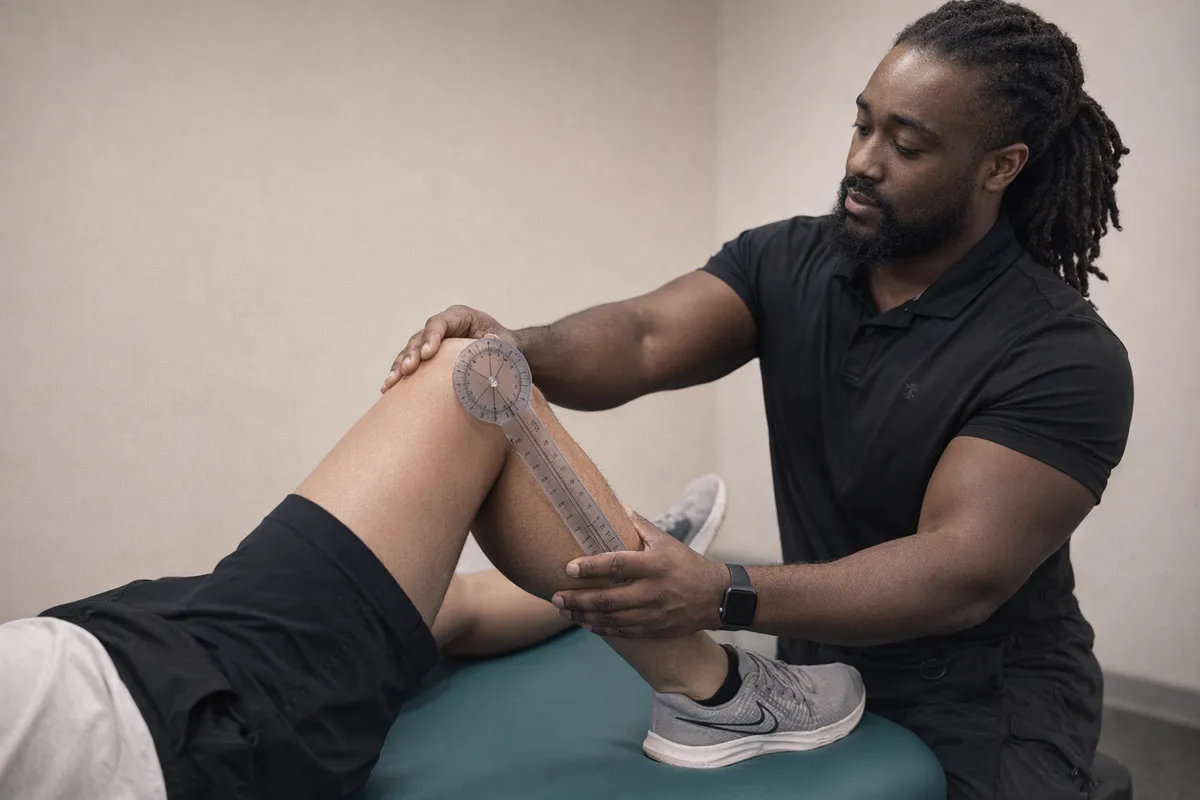
Baseline Assessment
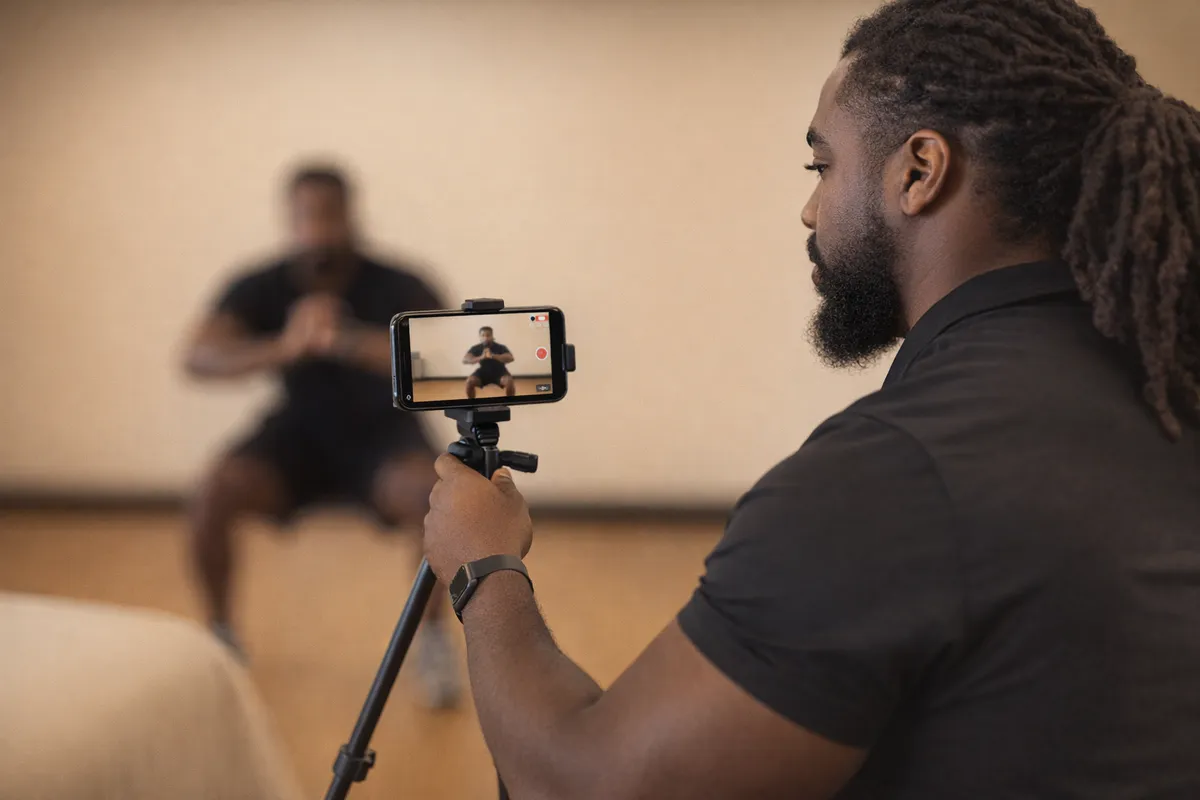
Movement Capture
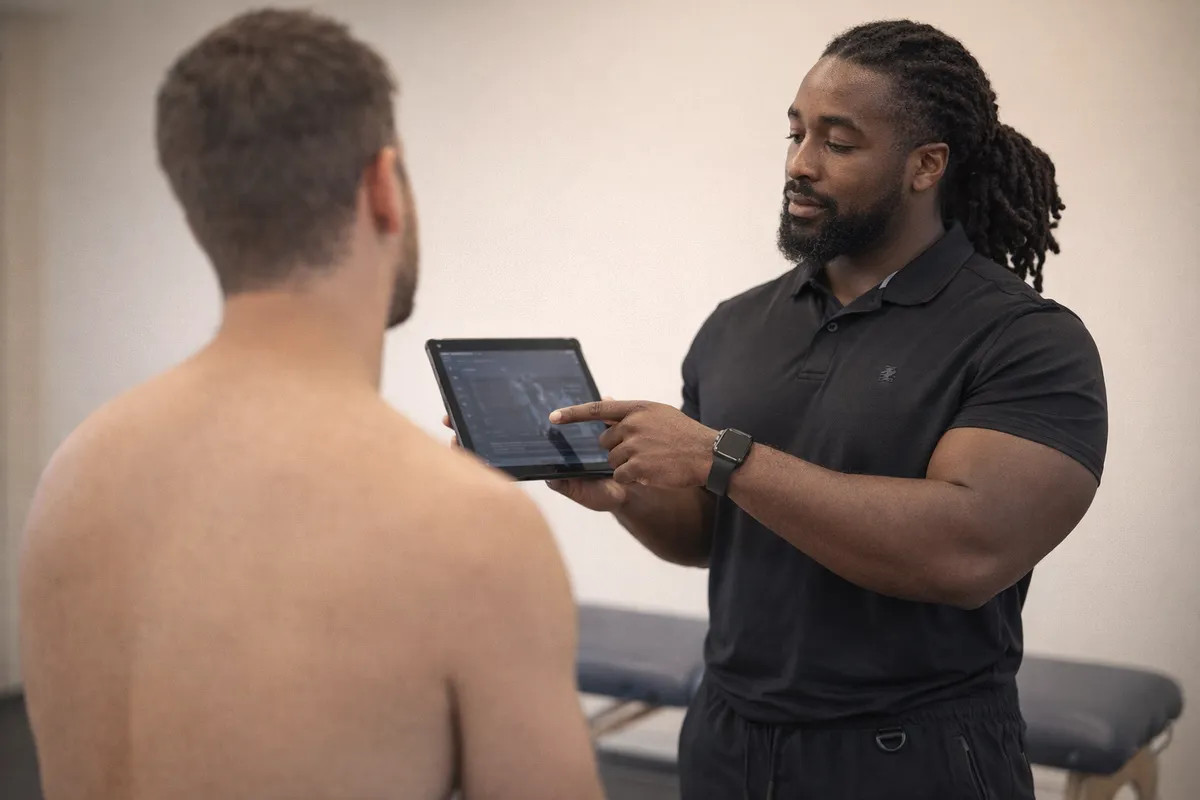
Findings Review
Quantify performance gains and spot imbalances early
Track post-surgical or post-injury recovery with precision
Identify postural imbalances before they become chronic
Monitor mobility and balance to maintain independence
Add a RRAMS assessment to any therapy session for objective, data-driven progress tracking
No. RRAMS uses markerless motion capture powered by AI pose estimation. All you need is a smartphone camera—no wearable sensors, reflective markers, or specialized hardware required. We handle everything during your appointment.
RRAMS achieves ±2° accuracy for range of motion measurements across all major joints. This is comparable to clinical goniometry but with the advantage of capturing dynamic movement rather than a single static position.
Yes. Our patient portal includes a guided home recording feature with real-time form feedback. This is especially useful for tracking progress between in-clinic sessions and during home exercise programs.
RRAMS is designed as an add-on to any of our therapy sessions—physical rehabilitation, muscle activation therapy, therapeutic stretching, or massage. It enhances your treatment by providing objective measurement data that guides your practitioner's decisions.
All video and measurement data is encrypted and stored in HIPAA-compliant infrastructure with configurable retention policies. You can access your assessment history and downloadable reports through your patient portal at any time.
Our team is happy to walk you through the RRAMS process and explain how motion analysis can complement your treatment plan.
Get in Touch